
Buying Gilts / UK Government Bonds
What are gilts? A basic explanation of Government bonds
It has taken me a long time to get my head around what GILTS (or UK Government Bonds / gilt-edged securities) are. Maybe it’s just me, but I suspect many others Brits are somewhat confused by all this. The confusion starts with the fact they have more than one name! From now, I will refer to them as Gilts.
So what are Gilts? Gilts are essentially debt that you buy from the UK government. You are basically lending the British government your own money. At some point in the future, the money will be paid back to you, plus ‘interest’ that you will accrue along the way. This coupon ‘interest’ is paid every six months.
Gilts are essentially debt that you buy from the UK Government
They are similar to a loan from the bank. You take out a loan and will pay interest (income) to the bank. A GILT works in a similar way. In effect, the UK government takes out a loan with you, and you will receive income (interest) and the sum of the nominal capital value (loan) back.
They are also similar to fixed term bonds that you get from a high street or online bank, e.g. A one year fixed term bond with ‘such n such’ bank paying 1.78%. However, there are some differences, for example, you can sell a GILT before it matures on the open market, but you are not able to sell a fixed term bond from a bank.
I will get into buying and selling GILTs a little further on!
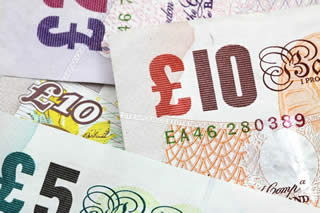
Different types of GILTS / UK Government Bonds
There are different types of GILTs. The main difference is the time period in which they run. Some UK government bonds will last for just a few months, others can last for 20 years or more. There are also index linked GILTs that will take into account inflation, both on the interest and original capital amount (cost of bond).
What can affect the price of a GILT?
Many things can affect the price of GILTS and whether their value goes up or down. The most common factors are interest rates, inflation and the general expectations of the economy.
Interest Rates and their impact on GILTS
It is broadly accepted that rising or decreasing interest rates will affect the price of a GILT. If interest rates fall, or are expected to fall, then GILT prices should rise. Similarly if interest rates are expected to climb then GILT prices may drift lower.
A reason behind this is that higher interest rates will mean there are better investment options out there, particularly for low risk investments e.g. savings accounts, fixed term bonds from retail banks.
Also, if interest rates rise, investors would rather sell their GILTS and buy them back with higher interest rates.
It’s worth noting that there are no hard and fast rules when it comes to what can affect the price of a GILT. These are only general guidelines.
Buying and Investing in GILTs
There are a few ways to invest in GILTS.
Firstly you can buy them direct from the UK Debt Management Office. This